
Paper or Digital Workout Log: Which One Is Better?
Should You Track Your Workouts?
If you train regularly, you've probably wondered whether it's worth keeping a workout log.
Some people use a traditional notebook, others save notes on their phone, while many prefer a digital workout tracker.
But does tracking your workouts really make a difference? And is a paper workout log better than a digital one?
Why Should You Keep a Workout Log?
Without a workout log, it's almost impossible to remember exactly how much weight you lifted, how many repetitions you completed, or how each workout progressed.
You may remember a few personal records, but long-term strength training isn't built around isolated achievements.
Real progress comes from understanding the complete picture—every exercise, every set, every repetition, and every weight used during your workouts.
When you consistently track your workouts, you build a complete training history that helps you understand your progress and make smarter decisions about future workouts.
Advantages of a Paper Workout Log
A paper workout log still has its place.
Many experienced lifters continue to use notebooks because they are simple, reliable, and easy to personalize.
Some of the biggest advantages include:
- it's always available
- you can organize your notes however you like
- there are no phone notifications or digital distractions during your workout
Many lifters have successfully used paper workout journals for years and developed their own recording system that works perfectly for them.
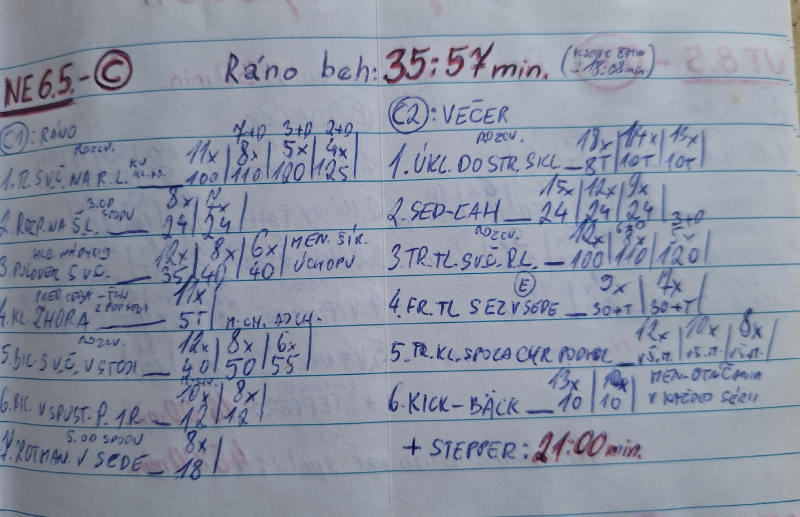
Limitations of a Paper Workout Log
A paper workout log also has its drawbacks.
If you want to find a workout you completed several months ago, compare your performance, or check what weight you used for a specific exercise, you may have to search through dozens of pages.
Over time, notebooks can become worn out, damaged, or even lost, making your training history much harder to access.
What Does a Digital Workout Tracker Offer?
A digital workout tracker keeps all the benefits of recording your workouts while making your training data much easier to manage.
Instead of searching through old notes, your complete workout history is available within seconds.
You can review previous sets, compare weights used for specific exercises, monitor your strength training progress, and create a new workout based on a previous session with just a few taps.
Even after years of consistent training, your workout history remains organized, searchable, and easy to analyze.
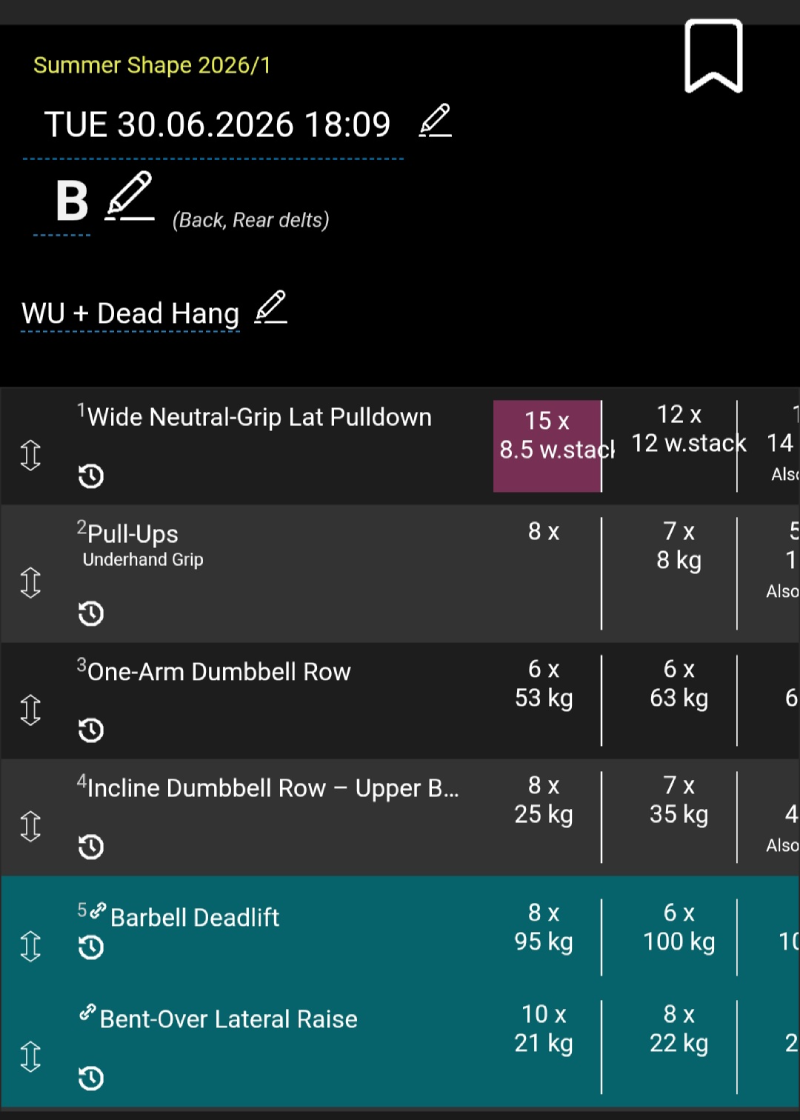
Which Option Is Better?
There isn't one correct answer.
If you enjoy using a notebook and already have a well-organized system, a paper workout log can still be an excellent choice.
However, if you want instant access to your workout history, easier workout planning, and better progress tracking, a digital workout tracker offers significantly more possibilities.
The most important thing isn't whether you record your workouts on paper or in an app.
The important thing is to track your workouts consistently.
Over time, those records will clearly show how your performance changes, what progress you've made, and where you can continue improving.
More info articles
- What Is a Workout Log and Why Should You Track Your Workouts?
- How to Keep a Workout Log the Right Way
- Why Track Weight, Sets, and Reps in Your Workouts?
- How to Track Your Progress in Strength Training
- Common Workout Logging Mistakes and How to Avoid Them
- Why Should You Plan Your Workouts in Advance?
- How to Use a Workout Plan Effectively
- Progressive Overload in Strength Training
- How to Stay Motivated to Work Out Long Term